
Five Killer Quora Answers To Broken Key Repair
페이지 정보

본문
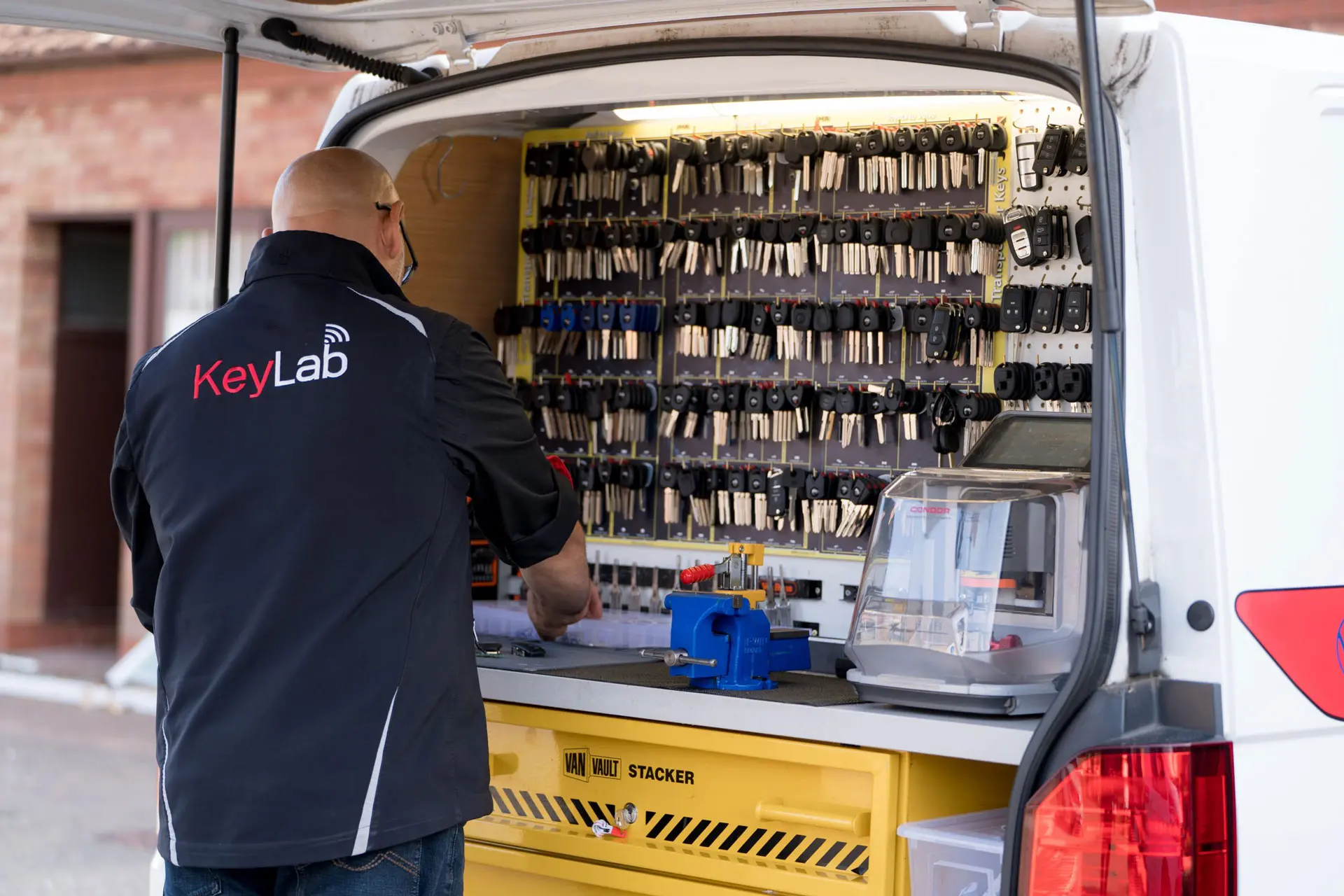
Broken Key Repair: Solutions for Common Lock Issues
Introduction
Keys are vital tools in our every day lives, permitting us to protect our homes, vehicles, and individual valuables. Nevertheless, they can also break, leading to aggravations and hassles. Understanding how to deal with broken key issues is crucial for anybody wishing to preserve their locks and guarantee access to their home. This short article covers different aspects of broken key repair [click here now], including typical causes, repair techniques, and preventive measures to avoid future instances.
Common Causes of Broken Keys
Keys can break for numerous factors. Comprehending these causes can help in avoiding future events:
- Wear and Tear: Over time, keys can use down due to regular usage, leading to weakened shafts that are most likely to break.
- Poor Key Design: Keys that are poorly developed might lack structural stability, making them more prone to breaking under tension.
- Inaccurate Key Usage: Using excessive force to turn a key, specifically in a jammed lock, can easily result in a damage.
- Ecological Factors: Extreme temperature levels or direct exposure to moisture can compromise metal keys, resulting in brittleness.
- Lock Malfunctions: A malfunctioning lock can position undue tension on a key, triggering it to snap during operation.
Signs of a Broken Key
Recognizing a broken key often features obvious signs. Here are some indications:
- Partial insertion into the lock: If the key can not be completely inserted or removed.
- Sudden resistance: If the key feels stuck when being turned.
- Noticeable divides or fractures: Inspecting the key can expose cracks or breaks in the metal.
- Incomplete engagement: The key may turn less than needed to actuate the lock.
Methods for Broken Key Repair
When confronted with a broken key, there are numerous approaches to consider for repair. It is vital to choose the ideal one based upon your specific scenario.
1. Remove the Broken Key
If a key breaks within a lock, the first action is to remove the broken portion:
- Use tweezers or needle-nose pliers: If a piece is standing out of the lock, carefully pull it out.
- Insert a key extractor tool: This customized tool can assist extract lodged parts more effectively.
| Tool | Best Used For |
|---|---|
| Tweezers | Shallow extraction |
| Key extractor tool | Deeply trapped key pieces |
| Lube spray | Relieving extraction of stuck parts |
2. Superglue Method
For circumstances where a key has partially broken however is intact enough to remain gripped, the superglue technique might use a short-term fix.
- Tidy the broken surface areas completely.
- Use a thin layer of superglue.
- Hold the pieces together for a couple of minutes till the glue sets.
Note: This approach is not an irreversible option and should be used with care as the repair can quickly fail under functional tension.
3. Metal Epoxy
For a more robust repair, metal epoxy provides a more powerful bond than superglue.
- Follow the instructions on the epoxy packaging for preparing the adhesive.
- Apply to the broken area and hold until set (generally a few hours).
4. Duplicate the Key
In instances where lock functionality is essential, producing a duplicate key is frequently the finest route:
- Visit a locksmith: Many locksmiths can reproduce keys quickly and effectively.
- Use a key-tracing service: Some locksmiths use tracing methods to cut an identical key based upon the remnants.
5. Lock Replacement
When keys repeatedly break, it might be due to lock concerns rather than key stability. In such cases:
- Consult a locksmith to assess the lock's condition.
- Think about changing the lock entirely if significant damage or wear appears.
Avoiding Key Breakage
Avoiding key damage is often much better than repair. Here are some useful tips:
- Limit force on keys: Always turn keys carefully to avoid unneeded tension.
- Regular key examination: Check for wear and replace keys showing indications of damage.
- Use a keychain: Prevent extreme bending by utilizing a durable keychain.
- Lube locks: Ensure locks operate smoothly to minimize pressure on keys.
- Shop keys correctly: Avoid putting keys in environments that can trigger rust or corrosion.
Frequently Asked Questions About Broken Key Repair
1. Can I repair a broken key myself?
Yes, you can try to repair a broken key yourself utilizing approaches like the superglue or metal epoxy strategies. Nevertheless, these are momentary fixes, and it is recommended to seek advice from a professional locksmith for a more long lasting solution.
2. Is it worth repairing a broken key?
In many cases, especially with emotional or unique keys, a repair may be worth it. For basic keys, duplication or replacement is generally more effective and trustworthy.
3. How can I prevent my keys from breaking?
To prevent damage, ensure that keys are exempt to excessive force, routinely inspect them for wear, and keep locks properly maintained.
4. When should I look for a locksmith's aid?
If you are not able to remove a broken key from a lock or if the lock malfunctions regularly, it's finest to seek a locksmith's proficiency.
Broken keys can provide a significant inconvenience, however they are workable with the right approach. By comprehending the common causes and readily available repair approaches, individuals can react successfully to key breakage. Drawing from preventive steps will likewise assist keep key integrity and functionality. Eventually, a proactive method to key and lock upkeep can significantly lower the frequency of these annoying issues.
- 이전글나주 시알리스후기 tldkffltmgnrl 25.07.17
- 다음글기생충들의 번식전략 - 2019년 이슈 키워드 "기생충" - 러시아 직구 우라몰 ulag9.top 25.07.17
댓글목록
등록된 댓글이 없습니다.