
Law courts in England are a foundational part of the UK’s legal framew…
페이지 정보

본문
It ensures that the courts function efficiently, delivering justice in a timely and fair manner. When you loved this informative article and you would like to receive more details regarding simply click the following webpage kindly visit the web site. How courts deal with young offenders is overseen by special Youth Courts, which operate separately from adult courts.
 They also handle family law cases, including divorce and child custody. Use search-friendly language to appear.
The administration of the High Court involves the scheduling of high-profile cases and overseeing large volumes of casework.
From judges and magistrates to clerks, legal services advisers, and security personnel, every member of staff has a unique and important responsibility within the legal system. They may also swear in witnesses and ensure that the court’s records are accurate and up-to-date.
The High Court is divided into several divisions, including the Queen’s Bench Division, Chancery Division, and Family Division, each requiring specialized administrative support to manage the different types of cases.
They also play a significant role in sentencing offenders, ensuring that punishments are appropriate and proportionate to the offense committed.
Start with your online presence. The primary decision-makers in any law court are perhaps the most well-known members of court staff.
The High Court primarily deals with complex civil and commercial matters, as well as serious criminal cases that are appealed from lower courts. Clerks of the court play a pivotal role in the day-to-day running of law courts. It should be mobile-friendly, with design that speaks to your clients.
Court administration in the UK is managed by a combination of government departments and judicial bodies, with a central focus on ensuring that the courts are both accessible and efficient.
These courts aim to focus on rehabilitation rather than punishment, and proceedings are less formal. Before 2009, this role was held by the House of Lords, but constitutional reform created the modern Supreme Court to provide enhanced separation between the judiciary and the legislature.
The Next in line, the County Courts deal with civil cases, such as housing and landlord-tenant issues. Crown Courts have the authority to impose longer sentences and are presided over by a judge, often with a jury of 12 members. Without court clerks, the court system would face significant delays, as they ensure that proceedings are organized and efficient.
The UK Supreme Court sits at the top of this hierarchy.
The role of family courts is also a significant part of the English legal system. These professionals play vital roles in supporting the judiciary, managing cases, and facilitating the delivery of justice.
Judges in higher courts, such as the High Court or Crown Court, handle more complex and serious cases, while magistrates deal with lower-level criminal cases, civil matters, and preliminary hearings. Family courts handle cases such as divorce, child custody, domestic violence, and child protection. This article explores the key roles of law courts staff in the UK, their duties, and how they contribute to the judicial process.
They are responsible for presiding over cases, making rulings, and ensuring that trials are conducted fairly.
Young people appearing in court are given additional support and may be referred to youth offending teams for interventions. They are responsible for administrative tasks, such as managing case files, scheduling hearings, and ensuring that all necessary paperwork is in order. Judges are tasked with interpreting the law firms, applying legal principles, and delivering judgments based on evidence presented in court.
More serious criminal cases are heard in the Crown Court. This includes offences like burglary, assault, fraud, and murder. These courts also have specialized divisions to handle specific types of cases, like the family court and the small claims court.
The court structure itself, as well as the way it is governed, plays a crucial role in upholding the rule of law and maintaining public trust in the legal system.
Its decisions are binding and set legal precedent for all other courts. The Lord Chancellor also plays an essential role in the administration of courts, particularly in overseeing judicial independence. Proceedings are typically private to protect the interests of children and families, and decisions are made based on the principle of the child’s best interests.
The Ministry of Justice (MOJ) oversees plays a pivotal role in overseeing the entire judicial process, including budgeting, staffing, and policy decisions.
The administration of the UK courts is a complex system involving multiple agencies, officials, and various levels of government.
Court clerks also assist judges by preparing case summaries, managing documents presented in court, and ensuring that legal procedures are followed.
Administrative duties in these courts include case management, scheduling, and ensuring that the court’s resources are effectively used. Google visibility isn’t a buzzword — it’s the driver of your digital strategy.
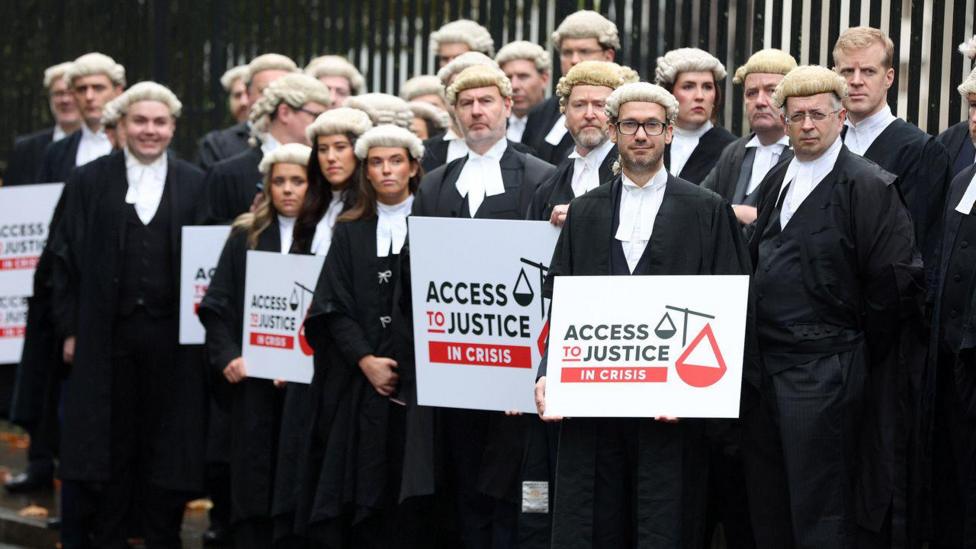 Trials in the Crown Court follow established rules of procedure and evidence to ensure fairness.
- 이전글Things You Didnt Know About Anonymous Instagram Story Viewers 25.11.30
- 다음글На нашем сайте представляем юридическую помощь в вопросах алиментов: гарантии результата и профессиональное сопровождение в суде – узнай 25.11.30
댓글목록
등록된 댓글이 없습니다.