
The Unspoken Secrets Of Stainless Steel Espresso Machines
페이지 정보

본문
The Art of Italian Espresso Machines: A Brewed Tradition
Italian espresso machines are not simply home appliances; they are an essential part of Italy's abundant coffee culture, representing a blend of artistry, engineering, and design. Coffee connoisseurs around the globe acknowledge the importance of high-quality espresso, a staple of Italian life and cuisine. This post explores the history, mechanics, types, and elements to think about when purchasing an Italian espresso machine, showing the depth of this beloved drink and its developing techniques.
History of Espresso Machines
The espresso machine's evolution dates back to the early 20th century in Italy, where coffee was not simply a beverage however an important social ritual. The initial attempts to brew espresso begun with simple, stove-top designs, gradually developing into complex machines that might duplicate the best brew.
- 1901-- The First Espresso Machine: The first steam-powered espresso machine, called the "Ideale," was established by Luigi Bezzera. This equipment marked a turning point in espresso developing.
- 1938-- The Lever Machine: The introduction of the lever machine made it much easier to manage the pressure utilized in espresso extraction, enhancing taste consistency.
- 1947-- The Automatic Machine: Reaching more consumers, Gaggia released the first automatic espresso machine, more promoting espresso bars.
- 2007-- The Digital Age: Technological improvements caused the birth of completely programmable machines, allowing users to personalize their developing settings to accomplish a personalized coffee experience.
Key Features of Italian Espresso Machines
Italian espresso machines embody precision, workmanship, and development. Here are some crucial components that highlight their significance:
| Feature | Description |
|---|---|
| Boiler Type | Determines how heat is created and kept. Common types consist of single boiler, dual boiler, and heat exchanger. |
| Group Heads | Where the coffee is brewed; commercial machines typically have numerous group heads for effectiveness. |
| Pressure Control | Vital for achieving the ideal espresso; most machines run at 9 bars of pressure. |
| Frothing Capabilities | The steam wand permits milk frothing, vital for beverages like cappuccino and latte. |
| Construct Quality | The products utilized (stainless-steel, brass, and so on) impact toughness and heat retention. |
Types of Italian Espresso Machines
Selecting the ideal machine hinges on user choices, budget, and meant use. Below are the main types of Italian espresso machines:
Manual Espresso Machines
- Pros: Offer complete control over the developing process, enabling for a tailored touch.
- Cons: Require skill and practice, can be labor-intensive.
Semi-Automatic Machines
- Pros: Provide a balance between automatic and manual processes; users control water circulation.
- Cons: Can have a steeper learning curve than totally automatic machines.
Totally Automatic Machines
- Pros: Simplify the developing procedure with push-button operations; ideal for beginners.
- Cons: May compromise a few of the subtleties of manual brewing.
Super-Automatic Machines
- Pros: Grind, tamp, brew, and froth instantly; hassle-free for busy lifestyles.
- Cons: Less control over the brewing variables, potential for a less authentic espresso experience.
Buying Guide: Factors to Consider
Picking the ideal Italian espresso machine can be daunting, however considering the following aspects can streamline the decision-making procedure:
- Budget: Italian espresso machines range from affordable to high-end models, so set a budget upfront.
- Usage Frequency: Evaluate how frequently you will use the machine; day-to-day users may desire a more long lasting choice.
- Space: Measure your cooking area or counter area; some machines can be large and need sufficient clearance.
- Upkeep: Consider ease of cleaning; machines with detachable parts or built-in cleansing features might minimize upkeep.
- User Skill Level: Beginners might choose fully or semi-automatic machines, while knowledgeable baristas can manage manual machines.
- Brand name Reputation: Research brand names understood for quality, such as Breville, Gaggia, and La Marzocco.
Popular Italian Espresso Machine Brands
Italian workmanship is renowned for producing some of the best espresso machines worldwide. Here are top brand names worth considering:
- Gaggia: Known for its home espresso machines and price.
- La Marzocco: An exceptional brand name understood for its commercial-grade machines and innovative technology.
- Rancilio: Renowned for its durable build and professional-quality machines ideal for home and commercial use.
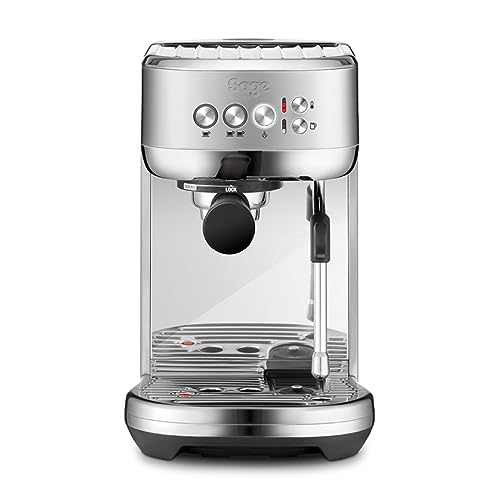
- Sage/Breville: Offers advanced features and user-friendly styles, best for both amateurs and lovers.
FAQs
What is the distinction between espresso and regular coffee?
Espresso is a focused coffee brewed by forcing warm water through finely-ground coffee under pressure. It has a thicker consistency, richer taste, and higher caffeine concentration than regular coffee.
Can I make milk-based beverages with an espresso machine?
Yes, lots of Italian espresso machines include a steam wand to froth milk for beverages like cappuccinos, lattes, and macchiatos.
How typically should I clean my espresso machine?
Regular upkeep is vital. Generally, a comprehensive cleansing is suggested every couple of weeks, while descaling needs to be done every 1 to 3 months, depending on water hardness.
What is the ideal pressure for brewing espresso?
The ideal pressure for developing espresso is around 9 bars. This pressure guarantees the optimum extraction of flavors from the coffee grounds.
Are more pricey machines worth the investment?
Higher-end machines often make use of better materials and innovation, providing improved durability and more consistent outcomes. For major coffee fans, purchasing an excellent machine can elevate the espresso experience substantially.
Italian espresso machines are a lot more than mere developing devices; they are an event of a cultural custom that has actually affected coffee usage worldwide. With different designs readily available to fit any user's needs-- varying from newbies to experienced baristas-- there is an Italian espresso machine completely matched for everyone. As you start your espresso journey, comprehending the history, mechanics, and options will improve your experience and appreciation for this time-honored drink. Whether you look for to recreate a coffee shop atmosphere in your home or refine your developing strategy, these machines can delivering extraordinary cups of espresso embellished with the rich history of Italian coffee culture.
- 이전글What's The Job Market For Replacement Key For Audi A3 Professionals Like? 25.08.06
- 다음글The 9 Things Your Parents Teach You About Stylish Couches For Sale 25.08.06
댓글목록
등록된 댓글이 없습니다.